Pilot says Coast Guard crew flew three times distance limit to reach Jökull ÞH
Brynhildur Ásta Bjartmarz flew the helicopter that lifted 17 people from the sea off east Iceland on Wednesday. Fourteen survived and three died.
An Icelandic Coast Guard helicopter crew flew three times farther from land than its rules allowed to lift 17 people from the sea after Jökull ÞH sank off east Iceland on Wednesday evening, its pilot said.
Fourteen of the 17 survived and three died. Brynhildur Ásta Bjartmarz, who flew the helicopter TF-GRO with captain Jens Sigurðarson, spoke to mbl.is at the headquarters of the Coast Guard (Landhelgisgæslan) on Friday.
“I don’t see myself as a hero and I find it uncomfortable,” she said. “We are incredibly grateful for the fourteen who survived and incredibly sad about the three we couldn’t save.”
The Coast Guard received a distress call from the skipper at 17:05 GMT, according to a column published in Vísir. Twelve minutes later he reported that the whole crew were in survival suits and abandoning ship, and seven minutes after that a signal showed the vessel had sunk.
Brynhildur said she was parking her car when the highest-priority call came in. At that point the ship was taking on water but had not sunk.
The ship was about 60 nautical miles (about 110 km) from land. Coast Guard rules barred the helicopter from flying more than 20 nautical miles (about 37 km) out in those circumstances, as no second helicopter was available to back the crew up. The helicopter usually carries a crew of five, but an extra winchman went along.
“I asked the boys, each one of them, whether they were ready to go. It matters that everyone is ready, and everyone said yes. There was no doubt,” Brynhildur said.
The crew spent about two hours at Höfn, a town on the south-east coast, working through how to carry out the rescue. On the way out it became clear they would probably be first on the scene and would have to lift 17 people from the water. The helicopter is designed to carry 21.
When they arrived, the men in the water were tied together in two groups, so no search was needed, she said. The helicopter could not take everyone at once. It flew for 12 to 15 minutes to burn off fuel while two men stayed in the sea, watched by a nearby ship, and then went back for them.
Asked about people who had called the flight extremely dangerous, even a flight into certain death, she said: “I understand where that comes from, but I don’t agree with it at all. There is always some risk in this job. But this was no suicide mission.”
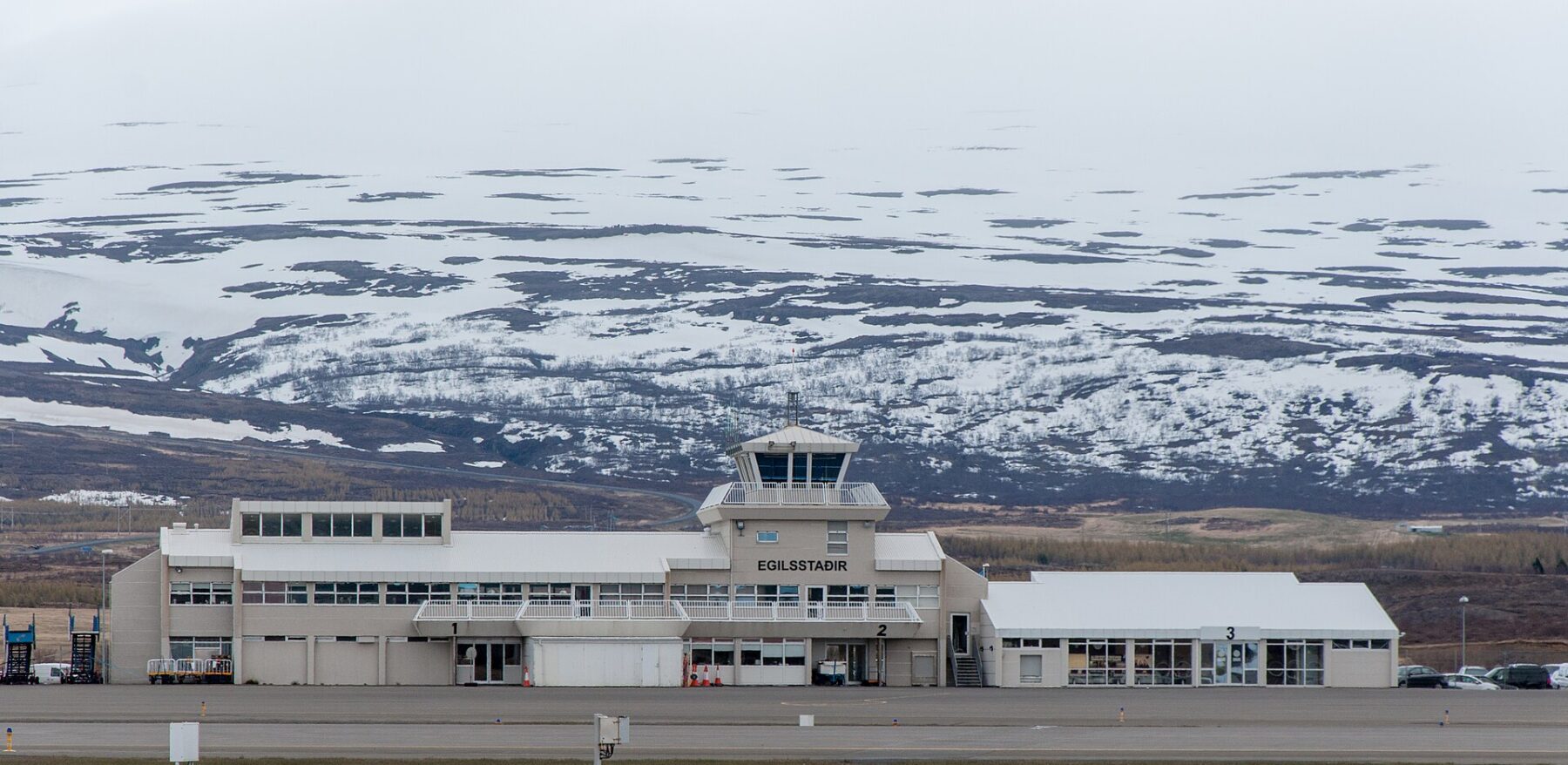
The people on board were very cold, and the crew cut up thermal blankets to share among them during the 40-minute flight to Egilsstaðir, the main town in east Iceland, where a large emergency response was waiting.
Brynhildur is one of two women in the Coast Guard helicopter unit and its only female pilot; the other is a doctor. She said she had not yet fully processed the call. “I feel that it is overwhelming, and I feel it more today than yesterday,” she said.
Prime Minister Kristrún Frostadóttir has called the rescue an achievement and promised to complete funding for a fourth Coast Guard helicopter during the current parliamentary term, a second Vísir column said.