Family of man killed in Grindavík fissure appeals decision to drop case
Lúðvík Pétursson's children want charges brought over his death in January 2024. They say prosecutors wrongly put the blame on him.
The children of Lúðvík Pétursson, who died after falling into a fissure while working in Grindavík in January 2024, appealed on Monday against the District Prosecutor’s decision to drop the case over his death.
The appeal went to the Director of Public Prosecutions (ríkissaksóknari), the family said in a statement. Elías Pétursson, Lúðvík’s brother and the family’s spokesman, is also a party to it. The District Prosecutor (héraðssaksóknari) closed the case on 9 November.
The family wants the decision overturned. It wants charges of negligent manslaughter and breaches of workplace safety law brought against the people who had suspect status in the case, or some of them. RÚV reported that five people had that status.
The family is also asking for three organisations to be prosecuted as legal entities: the contractor Lúðvík worked for, the engineering firm that oversaw the job, and Natural Catastrophe Insurance of Iceland (NTÍ), a state body. Failing that, it wants the investigation to continue.
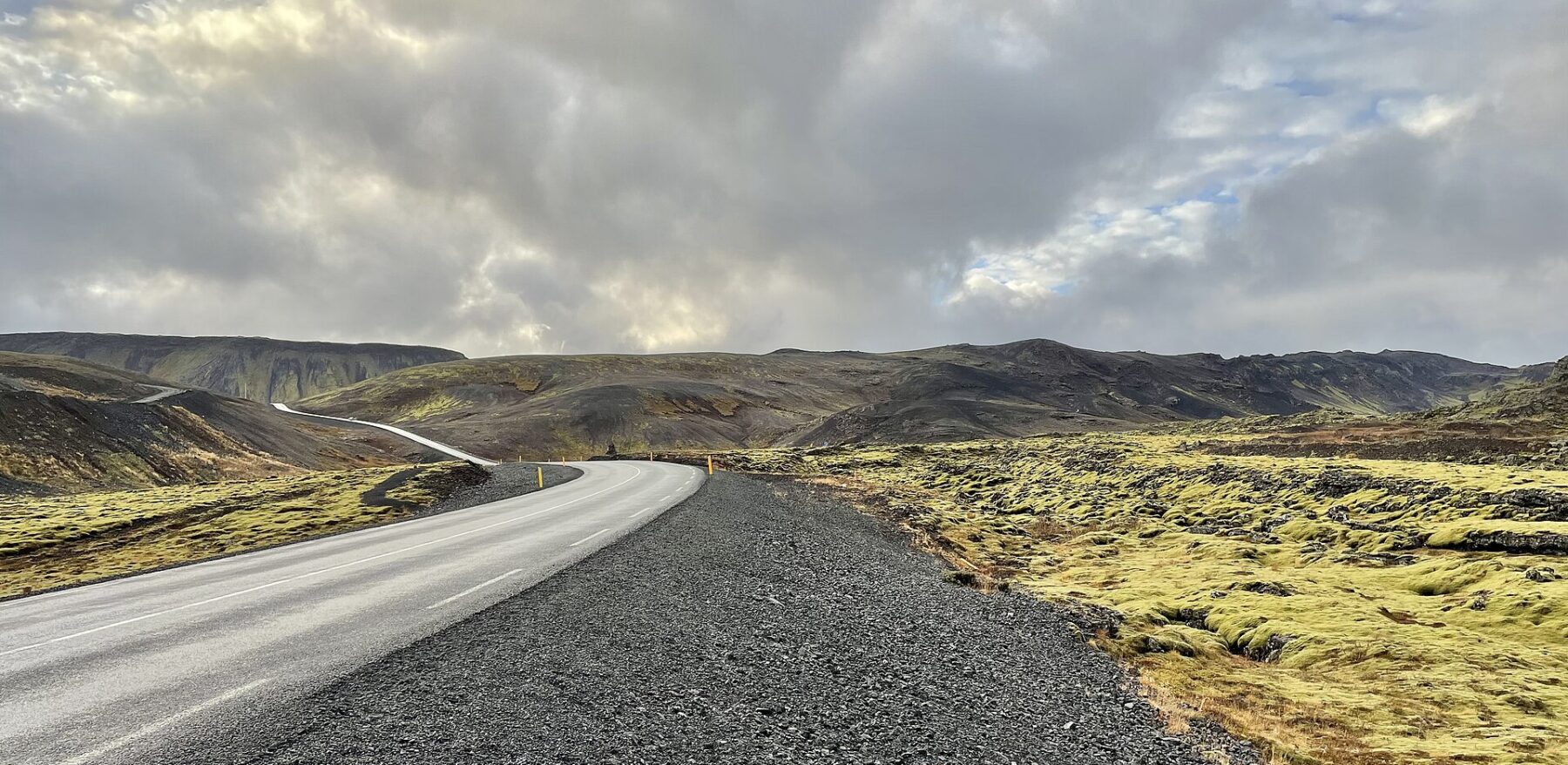
Lúðvík died on 10 January 2024 while filling a crack under the gable end of a house at Vesturhóp 29 in Grindavík, a fishing town about 50 km south-west of Reykjavík. The gable was hanging over a hole about 4 metres deep.
According to the family’s statement, NTÍ asked the engineering firm on 4 December 2023 to examine whether the crack could be filled. NTÍ approved the work less than three hours later. At the time a civil protection alert was in force, and the Icelandic Met Office’s hazard map showed considerable danger in the town, partly from fissures.
The appeal says there was no written risk assessment, no health and safety plan and no written instructions for the job. The work was planned around a compactor mounted on an excavator arm so that nobody would have to work on foot at the fissure, the family said. The equipment was broken, but the work went ahead anyway.
The Administration of Occupational Safety and Health (Vinnueftirlitið) linked the accident to the lack of a proper risk assessment, the family said.
The District Prosecutor based its decision on the finding that Lúðvík was the foreman on site and was therefore responsible for the work. The family rejects this. It says his employment contract was never obtained. It also says he was first described as foreman in the engineering firm’s comments on a draft of the safety administration’s report in autumn 2024, and later in statements by suspects.
The prosecutor also relied on one suspect’s account that it had been made clear nobody should ever work on foot, the family said. It said he had not given that account in two earlier statements as a witness.
Police sent the case files to the District Prosecutor on 10 February 2025. The appeal says the files do not show that the office gathered any further evidence, took statements or asked for more investigation in the nearly 21 months that followed. The case was dropped five days after Elías contacted the District Prosecutor directly on 4 November.
“We have waited for almost three years for answers about why Lúðvík was sent to work on top of an open fissure, without a risk assessment and after the equipment the work depended on had broken down,” Elías said in the statement. “The District Prosecutor’s conclusion was to place the blame on the one person who cannot answer for himself. We cannot accept that, and we believe the public has a right to know how this case has been handled.”