Councils’ legal opinion says Gullfoss fee plan may breach EEA rules
A bill would charge visitors ISK 4,500 for a pass to Gullfoss, Geysir and Þingvellir, with people taxed in Iceland exempt. A lawyer for four councils says that could be indirect discrimination.
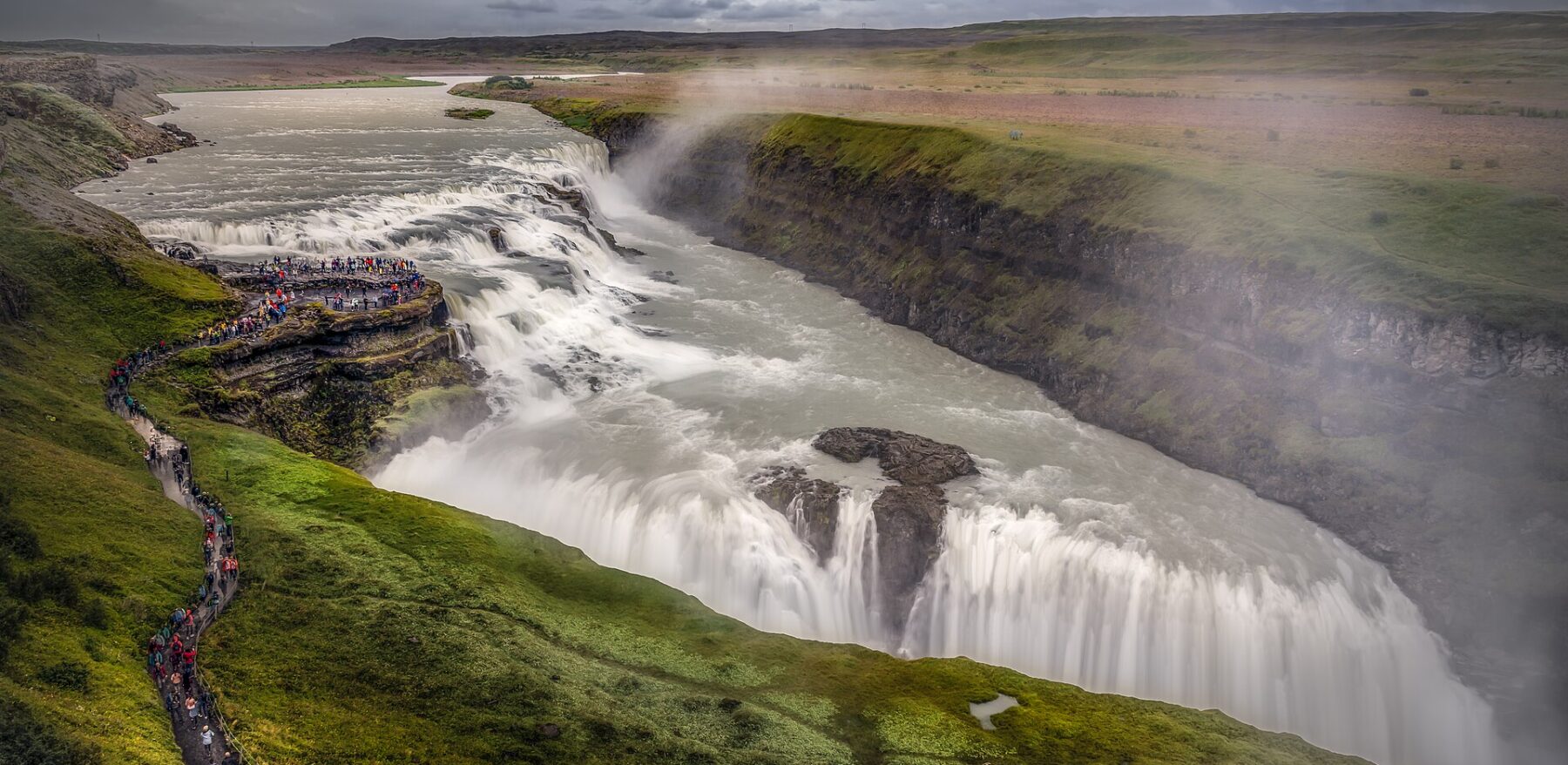
Leaders of four councils in upper Árnessýsla, South Iceland, called on Monday for the government to review a planned fee for visitors to Gullfoss, Geysir and Þingvellir. A legal opinion the councils commissioned says the fee may breach the European Economic Area (EEA) Agreement.
The leaders of Bláskógabyggð, Grímsnes- og Grafningshreppur, Hrunamannahreppur and Skeiða- og Gnúpverjahreppur also asked the government for a more detailed legal assessment and an impact analysis, mbl.is reported. In a joint statement they warned that the fee could make the state liable to pay damages.
Hanna Katrín Friðriksson, Minister of Industries, put the bill before parliament (Alþingi) on 16 November. It would require visitors aged 18 and over to hold an access pass at Gullfoss, Geysir and Þingvellir National Park, three sites on the Golden Circle route east of Reykjavík. People who had general tax liability in Iceland in the previous income year would get the pass free.
Others would pay ISK 4,500 (about €33 / $36), or ISK 3,000 (about €22 / $24) between 1 November and 31 May. If the bill passes, the fee would apply from 1 May 2027.
Stefán Geir Þórisson, a lawyer at the firm Forum lögmenn, wrote the opinion for the four councils, based on the draft bill published in the government’s online consultation portal. He said there was a significant likelihood that linking the fee to tax liability would not comply with the EEA Agreement.
Under the plan, two visitors could arrive at Gullfoss at the same time and only one would have to pay, usually depending on where each is liable for tax. Stefán said this test could amount to indirect discrimination on grounds of nationality, because the fee would fall mostly on foreign visitors. He also said it would restrict the freedom of tourists from other EEA states to receive services in Iceland.
When the draft was presented, the Ministry of Industries said people who pay tax in Iceland had already helped fund infrastructure and nature protection. Stefán said the link between general taxes and the exemption was too weak.
He pointed to a ruling by the Court of Justice of the European Union on discounts that Italian museums and other cultural sites gave older visitors based on nationality or residence. The court found that taxes paid by local residents did not justify worse terms for visitors of the same age from other EU states.
Environmental protection can in some cases justify restrictions on the freedom to provide services, Stefán said. But the state would have to show that the fee helps protect nature and that the same aim could not be reached by less restrictive means. He said the revenue would go to the treasury without being earmarked for nature conservation, and that raising money is not enough on its own to justify the fee.
Stefán said that, as far as he could see, the state’s full legal defence of the scheme was not available when he wrote the opinion.
 Forum lögmenn ehf.
company details on Gulu síðurnar